
Andrew Tate Predicts Bitcoin Will Plunge to $26,000
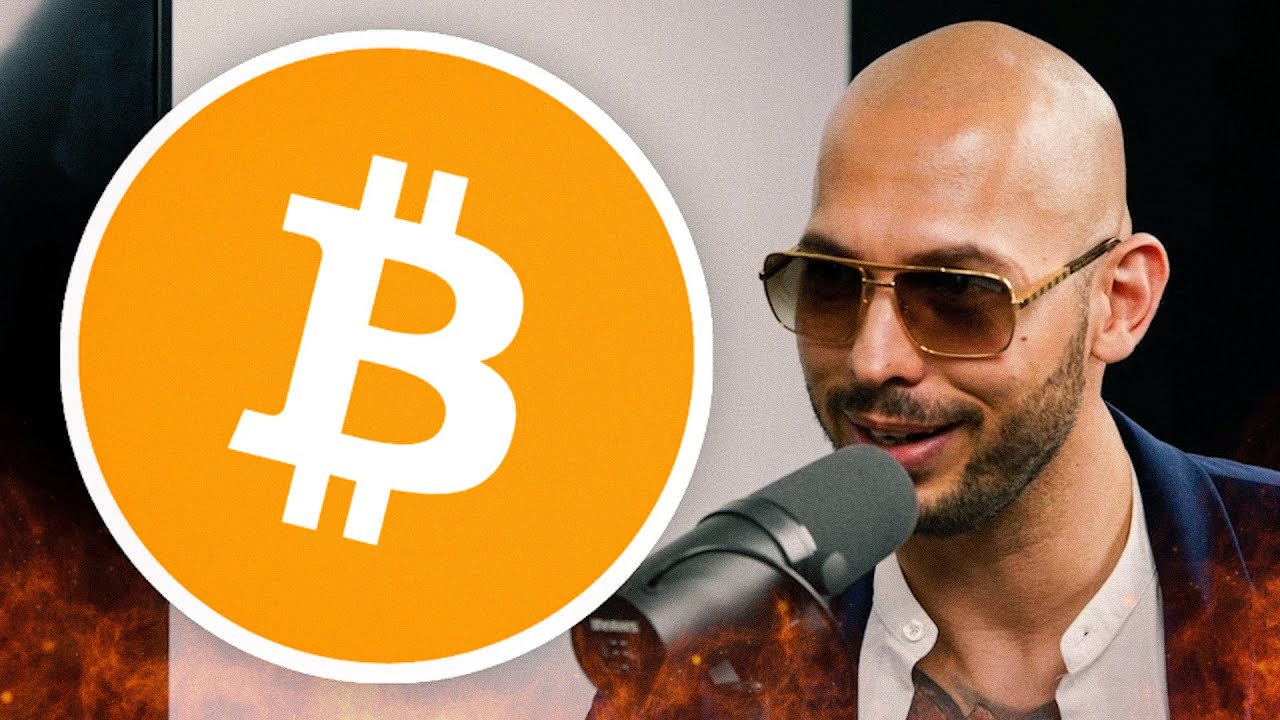
In mid-October 2025, controversial influencer and businessman Andrew Tate made headlines by predicting that Bitcoin (BTC) could collapse to $26,000, triggering a strong reaction in the crypto world.
Tate argued that the crypto market’s downfall isn’t just about macro-fundamentals, but about collective psychology: he warned that overconfident traders (especially those highly leveraged) are in deep trouble:
“Everything can always get worse,” he said, “It will keep dropping until all the longs are gone … until everyone’s out of money.”
He claimed that only after total capitulation — once optimism is completely crushed — can Bitcoin begin a meaningful rebound.
The Contradiction: Tate’s Own Bitcoin Bet
What made the prediction even more provocative was what followed: shortly after warning of a crash, Tate reportedly bought $5 million worth of Bitcoin at a price around $101,000 per BTC.
That move raised eyebrows across the crypto community:
-
Some saw it as a display of utter confidence in the long-term value of Bitcoin — a “buy-the-dip” bet from someone who expects a deeper short-term crash.
-
Others viewed it as emotional or performative — a classic Tate tactic: make dramatic, bearish predictions to stoke fear, then swoop in to accumulate.
-
There are also growing concerns about manipulation: blockchain analysts noted that Tate’s wallet has been accumulating more BTC, which has triggered scrutiny about whether his predictions are purely speculative or part of a strategy.
Public Reaction: Mixed Shock, Skepticism, and Criticism
The response to Tate’s forecast has been loud and divided:
-
Crypto heavyweights push back
-
Arthur Hayes, co-founder of BitMEX, strongly dismissed Tate’s call as overly dramatic. While Tate forecasted a massive crash, Hayes leaned into the dip, calling it a buying opportunity.
-
Some analysts noted that although the markets are under pressure, the fundamentals for Bitcoin (institutional interest, ETF flows, long-term adoption) haven’t completely broken down — suggesting that Tate’s prediction might be overly pessimistic.
-
-
Crypto users accuse Tate of hypocrisy
-
Many in the community pointed out the contradiction: predicting a crash while buying aggressively doesn’t align with a purely bearish conviction.
-
Others suspected market manipulation. The fact that an influencer with a large following is making dramatic calls while holding large positions has prompted calls for greater transparency.
-
On Reddit, some users expressed outright frustration:
“If you invested in something Tate is pushing you need professional help.”
-
Others warned that this might be just another publicity stunt or “influencer play,” rather than a genuinely informed crypto bet.
-
-
Regulatory and platform-level responses
-
A crypto exchange called Pepeto said it is developing a new anti-manipulation infrastructure in response: real-time wallet tracking, transparent reporting of large holdings, and other controls.
-
Some market watchers argued that even if Tate’s moves are legal, they expose structural weaknesses in crypto markets: overly centralized influence and insufficient transparency.
-
Why It Matters: Influence, Psychology & Market Risk
The episode around Andrew Tate and his Bitcoin prediction is more than a flashy headline. It highlights a few deeper issues in crypto:
-
The power of influencer-driven narratives: When a personality like Tate makes bold predictions, he has real sway. His audience can move markets — or at least sentiment.
-
Psychology over fundamentals: Tate’s core message — that the market is driven by collective belief, not just fundamentals — resonates with a more cynical view of crypto cycles.
-
Risk of manipulation: Large holders with social influence may benefit from stirring fear, accumulating at lower prices, and then riding the next wave up.
-
Calls for transparency: The backlash has pushed exchanges and analysts to call for better infrastructure to track big wallets and reduce the potential for market manipulation.
Bottom Line
Andrew Tate’s prediction that Bitcoin could crash to $26,000 was a spark — not just because of its severity, but because of the tension between his words and his actions. By simultaneously sounding the alarm and buying in, he’s stirred a storm of debate, concern, and scrutiny in the crypto world.
Whether his call proves prescient or not, it underscores the growing role of personality and psychology in crypto markets — and the need for better safeguards when influencers make big financial bets.