
How One Prediction Sparked Panic — and Profit
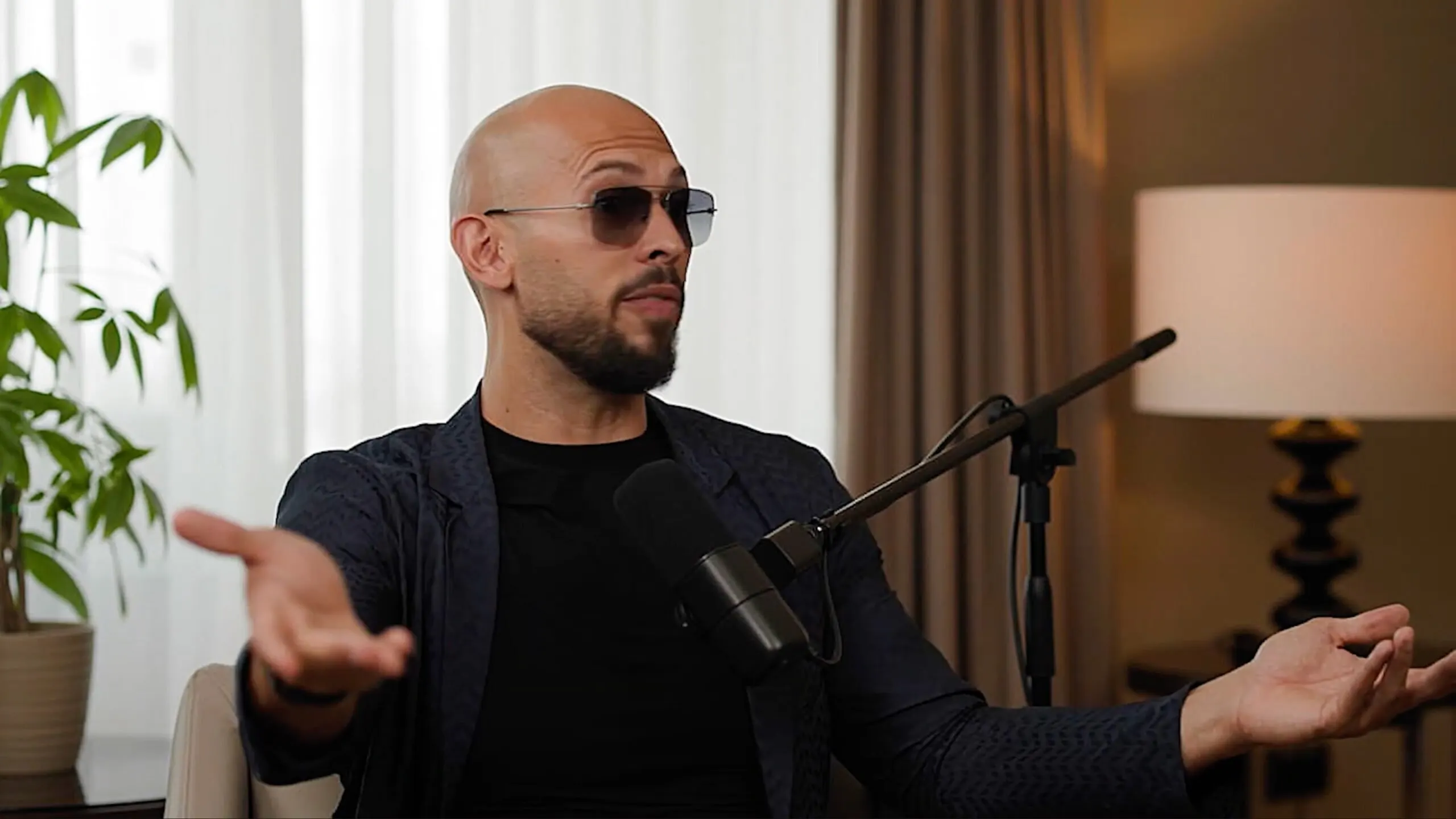
When Andrew Tate declared that Bitcoin was going to crash to $26,000, the crypto world erupted. Within hours, social feeds, trading groups, and online forums were flooded with fear, anger, and speculation. The prediction wasn’t just loud — it was strategic, and the chain reaction it created exposed how easily sentiment can be swayed when a high-influence public figure speaks boldly in a fragile market.
This is the deep dive into how Tate’s dramatic forecast triggered panic, why the public reacted so strongly, and how the move ultimately benefited him.
1. The Spark: A Warning That Hit at the Perfect Time
Tate didn’t choose a random moment to issue his prediction. The market was already shaky:
-
Bitcoin was experiencing volatility
-
Leveraged traders were heavily positioned
-
Headlines were negative
-
Retail confidence was low
In an environment primed for fear, Tate declared that BTC would “keep dropping until everyone’s out of money,” predicting a flush to $26,000 — a level far below current trading ranges.
The timing made the message hit harder than usual. Crypto traders are emotionally reactive, and hearing a catastrophic number from a high-visibility figure added gasoline to a market already flirting with instability.
2. Why the Public Panicked: Influence, Fear, and the Illusion of Certainty
Tate’s prediction spread faster than most analyst reports because of three psychological triggers:
A. His Audience is Massive and Loyal
Millions listen to Tate closely, especially young traders who are active in crypto.
When he speaks confidently, a portion of his following believes he knows something others don’t.
B. He Used Absolute Language — No Hesitation
Crypto analysts say “possibly,” “could,” or “depending on conditions.”
Tate said:
“Bitcoin is going to $26,000.”
Certainty spreads panic faster than probability.
C. People Fear Missing the Warning Sign
Crypto traders are haunted by one idea:
“What if this is the warning I ignored before the crash?”
Tate’s bold tone created urgency — even among people who dislike him.
As a result, traders began:
-
Selling early out of fear
-
Closing long positions
-
Pulling out leveraged trades
-
Spreading the prediction on Twitter, TikTok, and Telegram
Within hours, the community had talked itself into a deeper panic than Tate alone could cause.
3. The Contradiction: Tate Bought Millions in Bitcoin After Warning of a Collapse
What happened next is what made the story explode.
Shortly after predicting doom, Tate bought approximately $5 million worth of Bitcoin, accumulating at prices around $101K.
To some, this looked like:
A calculated play
&
A way to create fear so he could accumulate cheaply
When a high-profile figure:
-
Predicts a massive crash
-
Watches panic ripple through the market
-
Then buys millions worth of the asset…
…it creates the impression — fairly or unfairly — that the prediction may have been part of a psychological strategy.
Even if the crash did not materialize, the wave of fear alone can temporarily depress prices, creating better buying conditions.
4. How Tate Benefited: Attention, Influence, and Market Positioning
A. He Amplified His Public Influence
The crypto world can’t stop talking about Tate.
Whether people agree or disagree, the attention alone expands his platform, which is one of his most valuable assets.
In the modern attention economy, controversy is currency — and Tate just printed a lot of it.
B. He Positioned Himself as the “Guy Who Called It”
If Bitcoin dipped even moderately after his prediction, Tate could say:
“I told you so.”
He didn’t need a crash to $26K — even a smaller drop reinforces his narrative of insight and dominance.
C. He Accumulated Bitcoin While Sentiment Was Weak
Buying during fear is a classic strategy.
By creating a moment of panic — intentionally or coincidentally — he positioned himself to acquire BTC when many traders were selling.
If Bitcoin rises from his entry price, the profit can be massive.
D. He Framed Himself as a Psychological Market Analyst
Tate’s narrative wasn’t rooted in charts — it was based on psychology:
“Bitcoin will fall until people give up.”
This gained traction because it felt brutally honest in a market dominated by unrealistic optimism.
That framing set him apart from traditional analysts and made his message spread more aggressively.
5. Why Tate’s Prediction Worked: Crypto is Emotion, Not Logic
Crypto markets are driven more by sentiment than traditional finance:
-
Fear spreads instantly
-
Traders are mostly retail
-
Rumors move faster than facts
-
Influencers hold enormous sway
When an influencer with Tate’s reach makes a catastrophic claim, it can create:
-
panic selling
-
volatility
-
uncertainty
-
pressure on leveraged positions
Even without malicious intent, the impact is real.
6. Did Tate Manipulate the Market? The Debate
There’s no evidence he coordinated a manipulation plan.
But the optics create controversy.
His sequence of actions — doom prediction → panic → large personal buy — looked like a textbook example of a fear-creation strategy.
Some argue it was:
-
Coincidence
-
Personal opinion
-
Emotion-driven
-
Poor timing
Others argue it was:
-
Intentional
-
Strategic
-
Beneficial
-
Market-savvy
Regardless, the outcome was the same:
Tate benefited from the chaos.
Conclusion: Tate Turned a Prediction Into Power
Andrew Tate’s Bitcoin crash call didn’t just rattle the market — it exposed how fragile sentiment is and how easily fear spreads when delivered by a voice with massive influence.
Whether he meant to manipulate the market or simply made a bold prediction:
-
He gained influence
-
He controlled the narrative
-
He bought Bitcoin on fear
-
He profited from the attention
-
He positioned himself as a major voice in crypto
Tate didn’t just make a prediction —
he weaponized timing, psychology, and controversy to create a market moment that worked in his favor.