US Military Strike in Venezuela Sparks Regional Crisis and Global Reactions
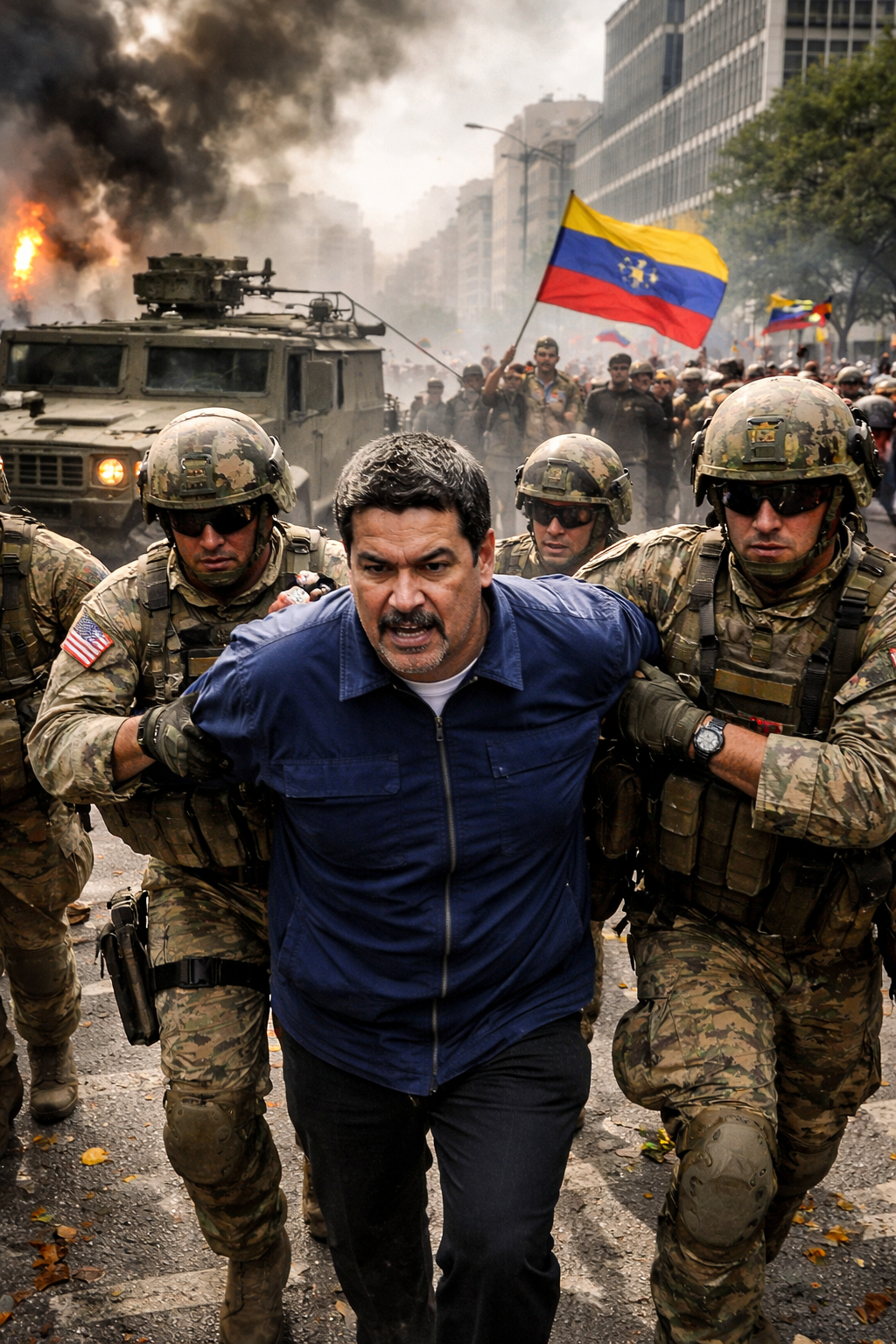
January 2026 — A major military event in Venezuela has drawn global attention and sparked deep geopolitical tensions. The United States carried out a targeted strike that removed Venezuelan leader Nicolás Maduro from power. This move has triggered strong reactions across Latin America and beyond.
US Action Marks a Dramatic Shift in Policy
The United States confirmed that it launched a targeted operation in Venezuela in early January. The goal was to arrest Nicolás Maduro, who faces narco-terrorism charges in U.S. courts. Maduro was detained and flown to the United States for legal proceedings.
This military move marks a dramatic shift in U.S. policy toward Venezuela. It also signals a new phase in American engagement in Latin America. For years, Washington focused on sanctions and diplomacy. However, this recent action shows a willingness to use force for leadership change.
Regional Leaders Respond with Alarm and Support
Several Latin American leaders have reacted strongly. Colombian President Gustavo Petro warned that Colombia would mobilize troops to prevent instability at the shared border. He also stated that Colombia might defend itself if necessary.
In contrast, Guyana’s president said his government was preparing for a possible influx of refugees due to the crisis. Meanwhile, Trinidad and Tobago sealed off key areas around its capital amid uncertainty over how the situation would unfold.
UN Voices Concern Over Legal and Security Risks
The United Nations also weighed in. UN Secretary-General António Guterres described the U.S. military action as having “worrying implications.” He said the strike could set a dangerous precedent in international relations. Guterres urged all parties to seek peaceful dialogue.
Beyond the UN, Russia and China called for Maduro’s immediate release. They said the operation violated Venezuela’s sovereignty. The U.S., meanwhile, labeled its actions as lawful enforcement against a leader accused of drug trafficking.
Global Reactions Highlight Deep Divides
Reactions have not been limited to Latin America. European leaders and global powers have taken positions that reflect deep geopolitical divides.
Some countries, including Brazil, Chile, and Mexico, publicly condemned the U.S. action as dangerous. Others, such as the United Kingdom, expressed cautious support while seeking more information about the legal basis for the strike.
The broader international community is now debating whether this operation will help or harm regional stability. Energy markets, already sensitive to global conflict, are also watching closely. Analysts worry that instability could disrupt oil supplies or affect investor confidence.
What Happens Next?
For now, Venezuela remains on edge. With Maduro in U.S. custody, leadership inside the country has shifted. Interim leaders in Caracas have declared emergencies and moved to secure power. Human rights groups worry that crackdowns and arrests may increase. Financial Times
Meanwhile, diplomats are trying to calm tensions. Regional summits and emergency UN sessions are expected in the coming days. Despite efforts at dialogue, many nations fear the crisis could widen if no clear diplomatic path emerges soon.