Zohran Mamdani
Who is Zohran Mamdani?
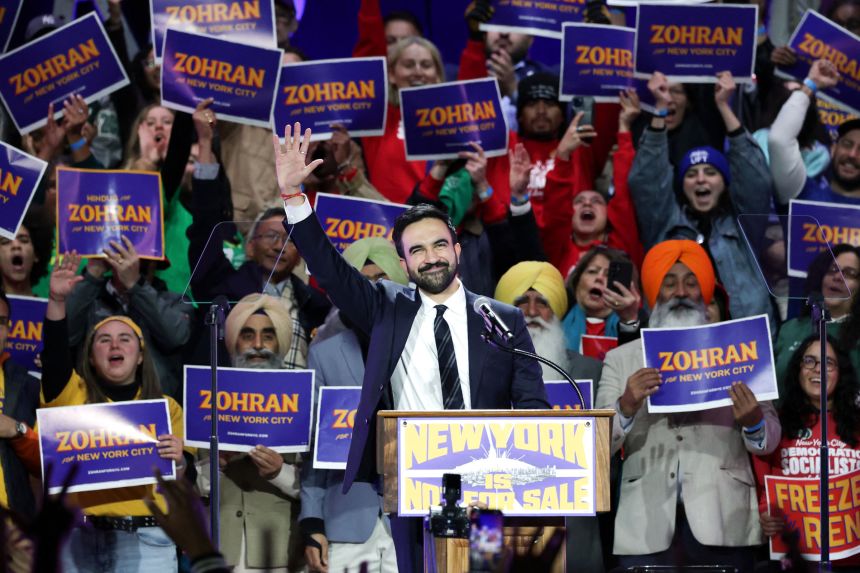
Zohran Mamdani won the election on November 4 2025 to become the 111th mayor of New York City, succeeding Eric Adams.
-
At age 34, he is the youngest person to be elected mayor of New York City in more than a century.
-
He is the city’s first Muslim mayor and first of South Asian descent.
-
Before running for mayor, Mamdani served in the New York State Assembly representing a district in Queens.
-
He describes himself as a “democratic socialist.”
His campaign and platform
Mamdani’s campaign resonated especially among younger voters and those concerned about affordability and housing in the city. Key elements of his platform included:
-
Free or universal childcare, recognizing high costs are pushing families out of the city.
-
A rent‐freeze or significant reforms on rent-stabilised units.
-
Raising the minimum wage to $30 per hour by 2030.
-
Free bus transit across the city.
-
Higher taxes on corporations and million-dollar earners to fund expanded social programs.
His message: “government that delivers when we put the people, not billionaires, first.”
What his election signals
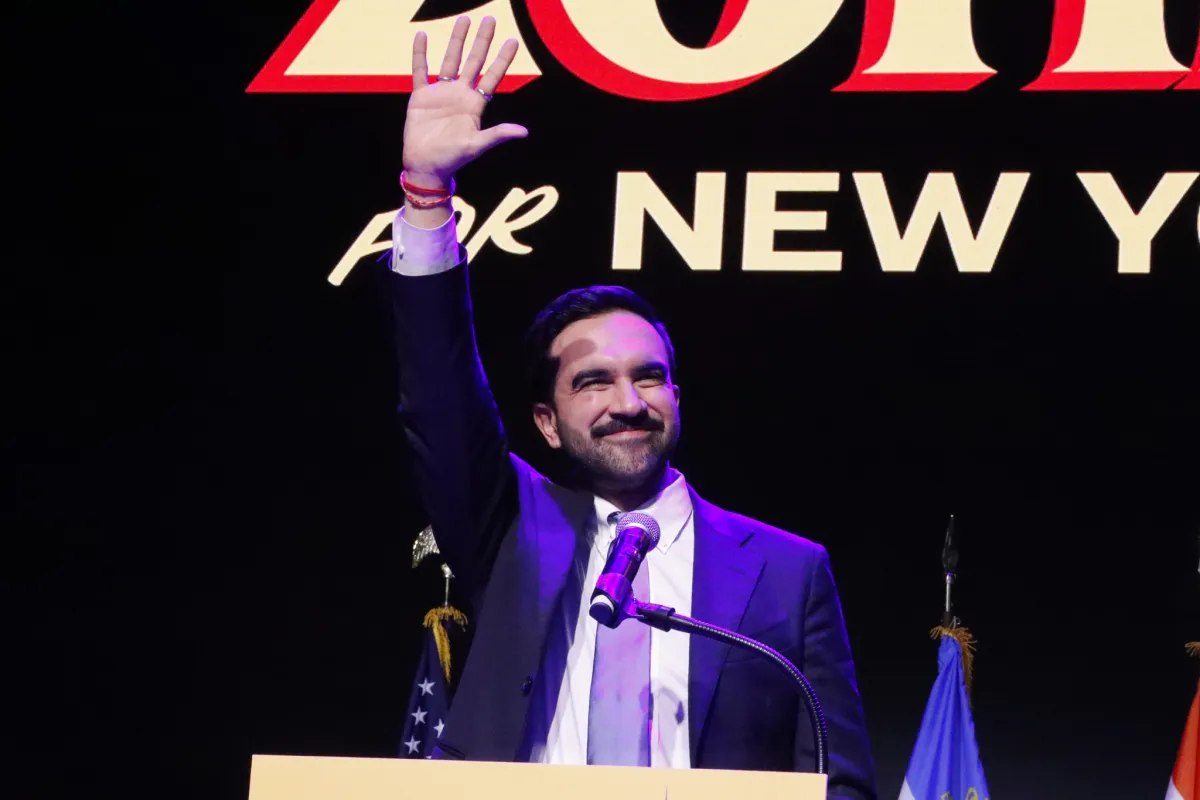
Mamdani’s win marks a shift in New York City politics — away from more centrist Democrats and toward a more progressive, left-leaning agenda. Analysts note:
-
His coalition included many first-time voters, young voters, and communities feeling squeezed by housing and cost-of-living pressures.
-
The election reflects a broader national environment in which progressive candidates are gaining traction in major cities.
Challenges ahead
Being a young mayor with ambitious goals, Mamdani faces real tests:
-
Scaling up programs like universal childcare will require large budgets, new infrastructure and personnel. For example, his plan was estimated at $6 billion per year.
-
Governing a large, complex city with over 300,000 employees and a budget upwards of $100 billion. His transition team appointment was widely watched.
-
Bridging divides: He must govern for all New Yorkers, not just his campaign base, and show results in areas like public safety, transportation, and housing.